

TLDR
A heart checkup can be helpful if you have symptoms such as chest discomfort, shortness of breath, unusual fatigue, dizziness, or heart palpitations. You may also benefit from talking with your doctor if you have risk factors such as high blood pressure, diabetes, high cholesterol, or a family history of heart disease. Cardiac testing can give your doctor more information about your heart and help determine whether additional care is needed.
Why Do Regular Heart Checkups Matter?
You don’t have to wait until something feels wrong to pay attention to your heart health. Regular checkups give our primary care doctors, Dr. Shah and Dr. Agah, an opportunity to look at your overall health, discuss any changes you’ve noticed, and identify potential risk factors for heart disease.
During a routine visit, our doctor may check your blood pressure and pulse, review your medical and family history, and discuss your symptoms, medications, lifestyle habits, and other health concerns.
A heart checkup doesn’t necessarily mean you need extensive testing. In many cases, your doctor can determine that routine monitoring is appropriate. However, if something needs a closer look, our cardiac testing procedure in Pineville, near Charlotte, NC, can provide additional information.
Signs You May Need a Heart Checkup
Some symptoms can have many possible causes, but that doesn’t mean you should ignore them. If you’re experiencing new, persistent, or unexplained symptoms, or any of the signs listed below, schedule a consultation with one of our physicians to talk about your symptoms.
Chest Pain or Discomfort
Chest pain, pressure, tightness, or discomfort can have several causes. Sometimes it may be related to something other than your heart.
However, it’s important to have new or unexplained chest symptoms evaluated.
If chest discomfort is severe, persistent, or occurs with other concerning symptoms, seek emergency medical attention rather than waiting for a routine appointment.
Shortness of Breath
Getting out of breath after strenuous activity can be normal. But if you experience shortness of breath, especially during everyday activities or when it occurs along with chest discomfort, dizziness, or weakness, that’s something worth discussing with your doctor.
Heart Palpitations
Do you sometimes feel like your heart is racing, fluttering, pounding, or skipping a beat? These sensations are commonly called heart palpitations.
Palpitations can occur for many reasons, including stress, caffeine, medications, or changes in your heart rhythm. If they happen frequently, last longer than usual, or occur with dizziness, chest discomfort, or fainting, let your doctor know.
Dizziness, Fainting, or Unusual Fatigue
Occasional tiredness or dizziness doesn’t automatically point to a heart problem. However, recurring or unexplained symptoms should not be brushed aside. Our doctors can help determine whether they are related to your heart or to another health concern.
Do I Need Cardiac Testing Even Without Symptoms?
Not everyone who needs cardiac testing has noticeable symptoms. There are many other factors to consider when deciding whether you should get your heart screened. Some of these risk factors can include:
- High blood pressure
- Diabetes
- High cholesterol
- Smoking
- A family history of heart disease
- Previous heart problems
- Other health conditions that affect cardiovascular health
Having one of these risk factors doesn’t automatically mean you need cardiac testing. Dr. Shah and Dr. Agah will consider your overall health, medical history, symptoms, and other factors before recommending a test.
What Types of Cardiac Testing Might You Need?
The type of test you need depends on your symptoms, health history, and what your doctor needs to learn about your heart.
At Carolina Medical Associates, cardiac testing may include an electrocardiogram (EKG or ECG) and an echocardiogram, depending on what our doctors need to evaluate.
An Electrocardiogram (EKG or ECG) test records the electrical activity of your heart and can provide information about your heart rhythm.
An Echocardiogram uses ultrasound to create images of the heart, allowing us to evaluate how the heart is working and look at its structures.
Other cardiac tests may be recommended depending on your individual situation. The goal isn’t to order every possible test. It’s about choosing the tests that provide useful information about your health.
When Should You Seek Emergency Care?
Some heart symptoms require immediate attention. So you must seek emergency medical care if you experience severe or persistent chest pain or pressure, difficulty breathing, fainting, or other sudden and serious symptoms.
If you think you may be having a heart attack or another medical emergency, call 911 rather than waiting for a routine appointment.
Take the Next Step With Carolina Medical Associates
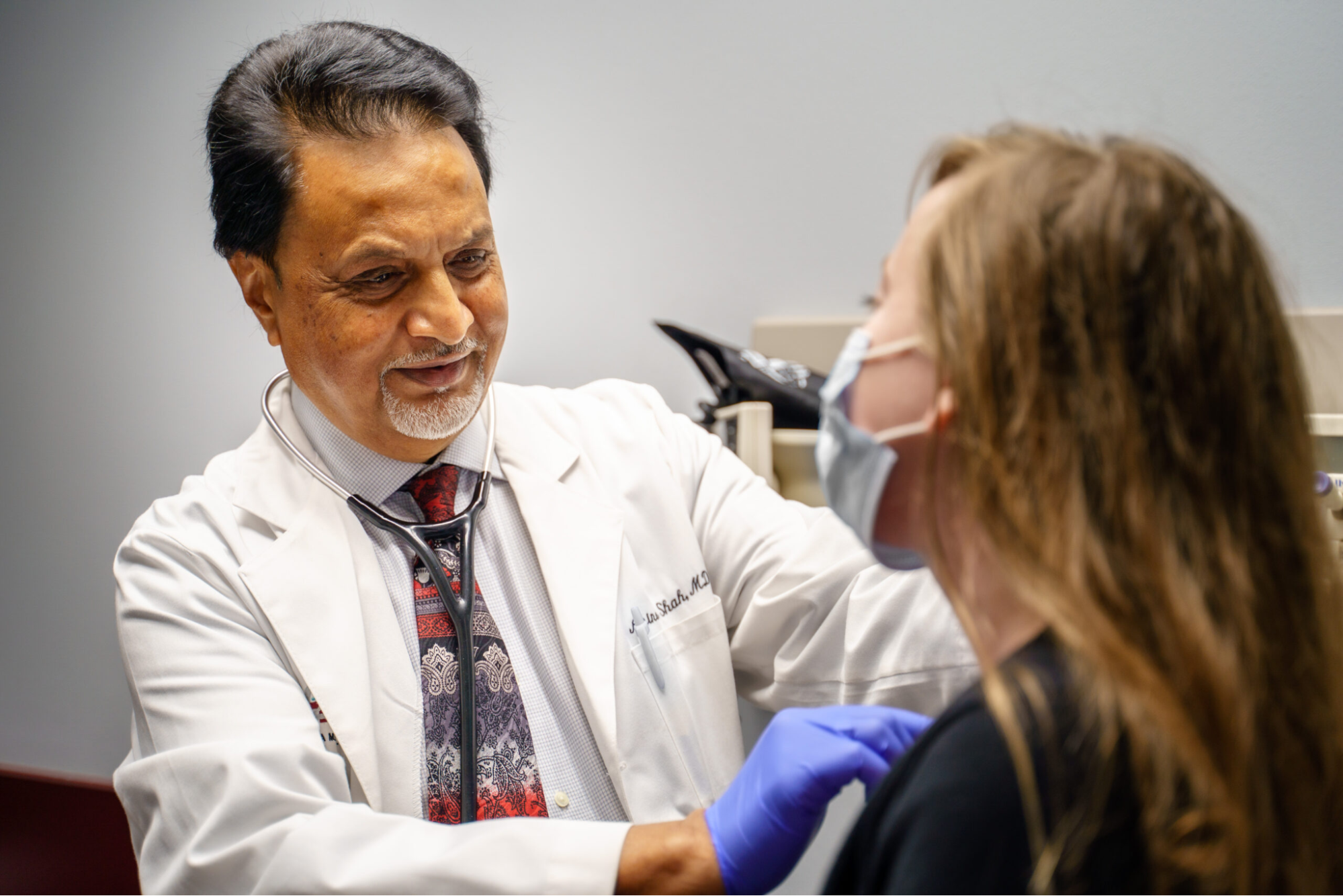
You can work on your heart health throughout your life, and you don’t have to figure it out alone. If you’ve noticed a change in how you feel or have concerns about your heart disease risk, start by talking with our primary care doctors in Pineville, NC.
At Carolina Medical Associates, Dr. Shah and Agah take the time to understand your health history, listen to your concerns, and help you determine what care makes sense for you.
If you’re due for a heart checkup or have questions about a symptom you’ve been experiencing, contact our physicians to schedule an appointment.
Key Takeaways
- Regular heart checkups can help you stay aware of your cardiovascular health, even when you feel well.
- Chest discomfort, shortness of breath, heart palpitations, dizziness, and unusual fatigue are symptoms worth discussing with your doctor.
- You may need cardiac testing even without symptoms if you have risk factors such as high blood pressure, diabetes, high cholesterol, or a family history of heart disease.
- Dr. Shah and Dr. Agah, our primary care doctors in Pineville, NC, will consider your symptoms, medical history, and risk factors before deciding whether an EKG or an echocardiogram is appropriate.
- If you’re experiencing severe or persistent chest pain, or difficulty breathing, Carolina Medical Associates can help diagnose your condition.
Sources
- https://carolinamedassoc.com/about-us/
- https://carolinamedassoc.com/doctor/dr-avinash-d-shah/
- https://carolinamedassoc.com/doctor/dr-maher-s-agha/
- https://carolinamedassoc.com/
- https://carolinamedassoc.com/book-appointment/
- https://my.clevelandclinic.org/health/diagnostics/16953-electrocardiogram-ekg
- https://my.clevelandclinic.org/health/diagnostics/16947-echocardiogram
- https://carolinamedassoc.com/contact/



No Comments