
When you’ve had surgery, regardless of how minor it may have been, it’s easy to want to rush the healing process. Stitches and gauze may start to feel uncomfortable after a while, and no one likes to have their range of motion limited.
However, as most people know, the more you mess with a wound, the longer it will take to heal. While you may be familiar with what you shouldn’t do after getting surgery, there are a few things you can do to speed up your body’s natural healing process.
In this blog, our primary care physicians in Pineville will guide you on the steps you can take to shorten the amount of time you spend wrapping up and taking care of yourself post-surgery. However, it’s important to first address the difference between a major and minor surgery and what you should expect after a minor surgical procedure.
Difference Between Major and Minor Surgery
The term “minor surgery” covers a wide range of surgical procedures, as does “major surgery.” Your physician will be the one to advise you what to expect specifically with your treatment plan after they give you a physical exam. They will also tell you what to expect with the post-surgery healing process. It never hurts to ask your doctor questions.
To give you a better understanding, though, there is one factor that typically marks the difference between a major surgery and a minor surgery: how invasive the procedure is.
Minor surgical procedures tend to be less invasive, and you will only need a very small incision during the process. Minor surgeries typically never go past the outermost parts of the body. You also won’t need to be put under.
Minor surgeries include procedures such as:
- Suturing
- Skin biopsies
- Medication injections
- Drainage treatments
- Removal of foreign objects in the skin
Meanwhile, major surgical procedures involve more extensive resectioning and may require you to be put under general anesthesia. They also have a higher chance of causing an infection or damage to the surrounding tissue. That’s why it’s so important to choose a skilled and experienced physician to advise you on what treatments are best for your condition.
What to Expect After a Minor Surgical Procedure
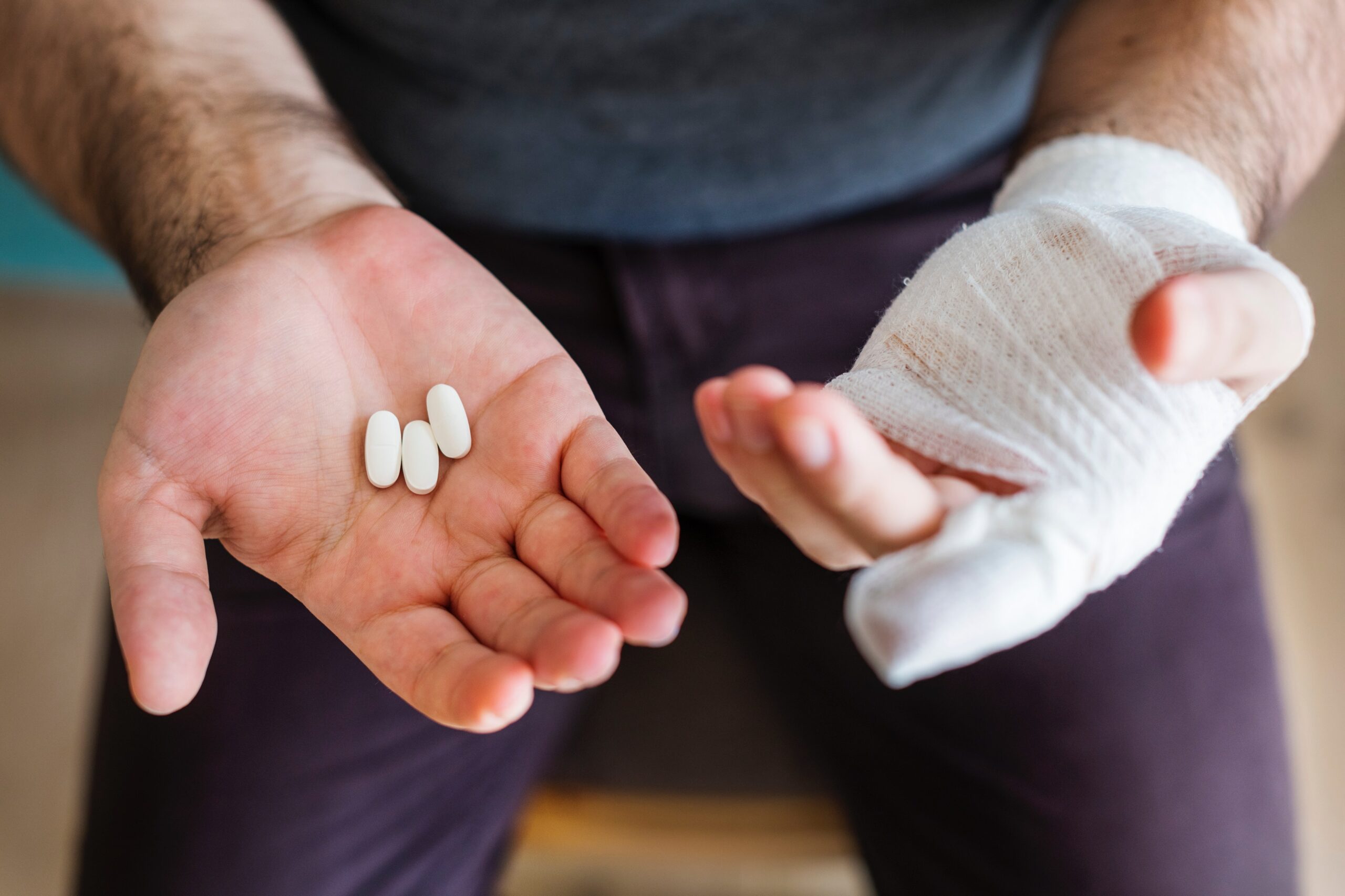
Most, if not all of us, have cut ourselves before. You have likely experienced the way that skin stings and swells as it heals. The same can be said for minor surgeries; however, you can expect the soreness to last longer than your typical cut. In some cases, pain can linger for up to 20 days, depending on the type of surgery you had.
You may also experience a few other symptoms post surgery. If you were given a local anesthetic to numb the pain, you may also feel slight nausea or drowsiness.
Note: If you continue to feel nauseous or tired a full 24 hours after receiving a local anesthetic, then it’s in your best interest to contact your physician to make sure you aren’t having a reaction. Thankfully, severe reactions from a local anesthetic are very rare.
On top of feeling pain in the area where the incision was made, you may also experience soreness. A local anesthetic can contribute to the amount of soreness you feel since it helps relax your muscles.
Just like with nausea and drowsiness, though, if you continue to feel pain or soreness near the surgical site for too long, then you should let your doctor know. Typically, soreness should start to get better after about four days.
Tips for Skin Surgery Wound Care
Now that we’ve gone over what you can expect, we can help you figure out how to speed up the recovery process after a minor surgery. Overall, there are five tried and true methods you can use to help your body heal faster.
1. Keep the Wound Clean and Dry
It’s not enough to just keep the surgical site clean; you also need to make sure it stays dry after you’ve cleaned it. That means patting it with a cloth as soon as possible after you’ve washed it.
Your doctor may also advise you to keep the wound completely dry for the first 24 hours after the surgery. Instead of taking a shower, it may be best to take a bath until you can start washing the surgical site.
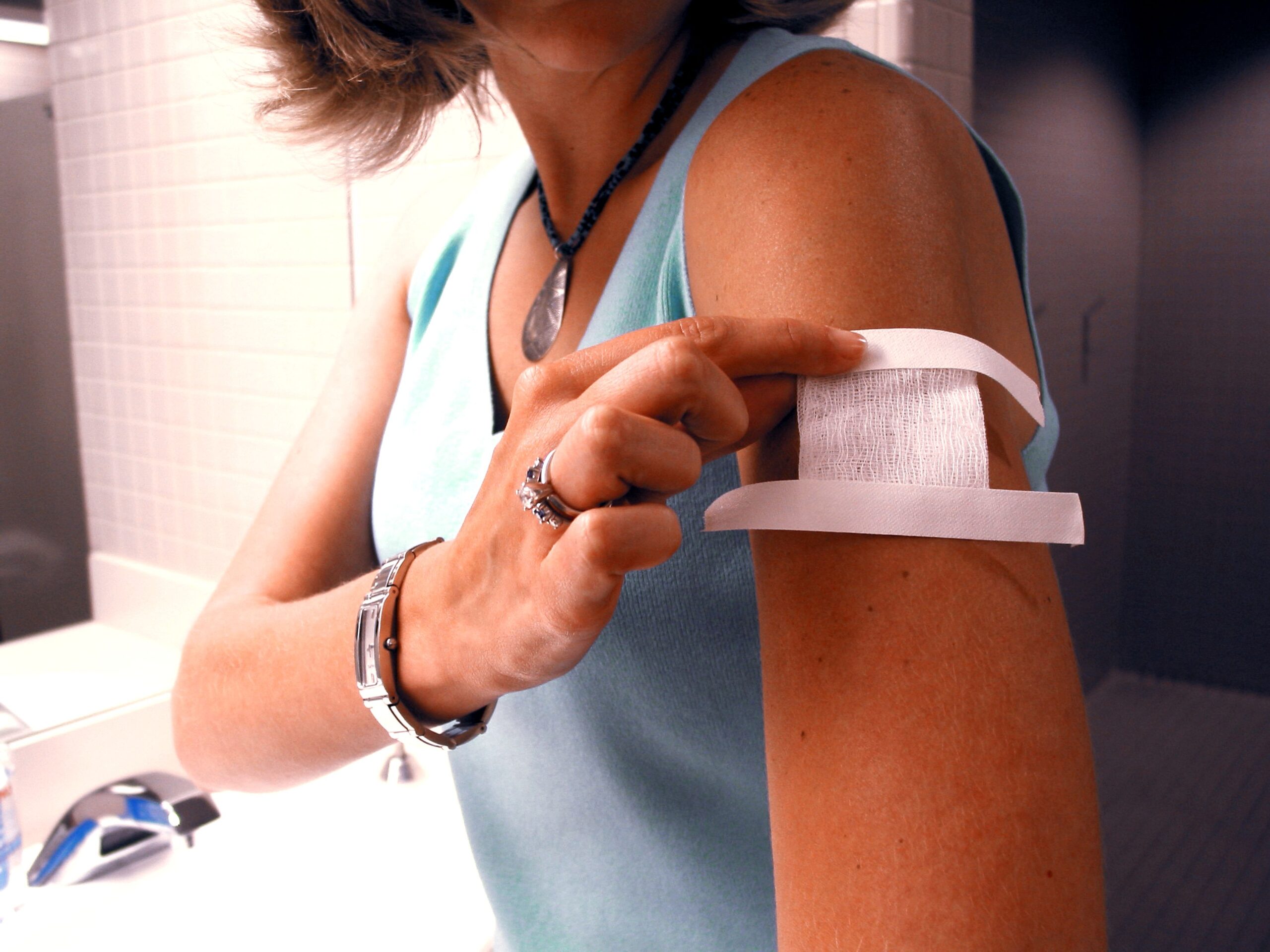
2. Change Your Bandage Daily
It may feel tempting to leave a bandage on the wound because you don’t want to feel pain when you take it off. However, it’s vital for the health of your skin to keep harmful bacteria out of it.
Bandages that have been left on for too long may cause an infection in the surgical site. It’s also important to keep the wound covered properly, since moisture can help speed up the healing process.
3. Take it Easy With Activities
The same principle for getting over a cold applies to healing after a minor surgery. Giving your body rest will help it as it builds your skin back together.
With some minor surgeries, your doctor may recommend that you stay in bed as much as possible for the first 48 hours after the procedure.
4. Protect the Wound From the Sun
People who have gotten a tattoo are very familiar with this rule. Too much UV exposure, especially during the summer, can damage your skin. Getting a sunburn on a surgical site can also lead to some nasty scarring down the road. When you take care of your skin and keep it covered after surgery, you’re more likely to not be left with a noticeable scar.
In some cases, your doctor may advise you to keep the surgical site out of the sun or covered for at least a couple weeks after surgery.
5. Keep Your Entire Body Healthy With Good Food and Proper Sleep
Maintaining your health is already important, but it’s even more important to watch the foods you eat and pay attention to your sleep schedule after a surgical procedure. If your body isn’t running on enough fuel, it won’t be able to do its job properly and take care of you.
Certain foods can also help you reduce swelling faster, which will speed up your healing time. Ingredients that are rich in protein, such as fish, legumes, and certain vegetables can do wonders for your body while it recovers.

Where to Get Reliable Minor Surgical Procedures in Pineville, NC
Ultimately, taking care of yourself is the most important thing you can do to promote faster healing after a minor surgical procedure. However, it’s also just as important to get your minor surgery done at a place you can trust with experienced professionals.
At Carolina Medical Associates, we offer a variety of medical services, including minor surgical procedures in Pineville, NC. Contact us today to schedule an appointment with one of our amazing physicians.





No Comments